

Most tired lawns around here are not tired from neglect. They are tired from rain. Western Washington gets enough of it, over enough months, to wash nutrients straight down through the soil and out of reach of the grass roots that needed them. Add naturally acidic ground and a lot of shade, and you end up with the local pattern everybody recognizes: thin grass, moss creeping in from the edges, and bare patches that never quite fill.
Feeding a lawn here is less about pouring on fertilizer and more about putting the right thing down at the right point in the year. New View Tree & Landscaping has looked after lawns across Renton since 2021.
Why does a Renton lawn behave this way?
Three things, mostly working together.
Rain moves nutrients down past the root zone faster than in drier climates, so a single spring feed does not last the year. Our soils tend toward acidic, which locks up some of what is already there and suits moss far better than it suits grass. And shade from mature trees, which this area has plenty of, leaves grass weak enough that moss and weeds take the space instead.
That last one is worth naming plainly. Moss is rarely the disease. It is the symptom of grass grown too thin to hold its ground, and scraping it off without fixing the cause buys you a single season at best.
So what actually works here?
We look first. The fix depends entirely on what is wrong, and feeding a lawn whose real problem is shade or drainage just wastes a season. Then we work through the year rather than dumping everything on in one visit.
Spring gets the lawn moving again. It also helps the grass recover from a winter of moss and wear, which is usually where the damage shows first. Through the growing season the aim is steady, even feeding rather than a single heavy hit that produces two weeks of surge growth and nothing after. Fall is the feed people most often skip and it is arguably the important one, because it goes into root development and winter hardiness rather than top growth, and it is what a lawn draws on the following spring.
Where soil acidity is the underlying problem, feeding alone will not fix it, and we will tell you that rather than selling you another round.
Feeding, weeds, and moss together
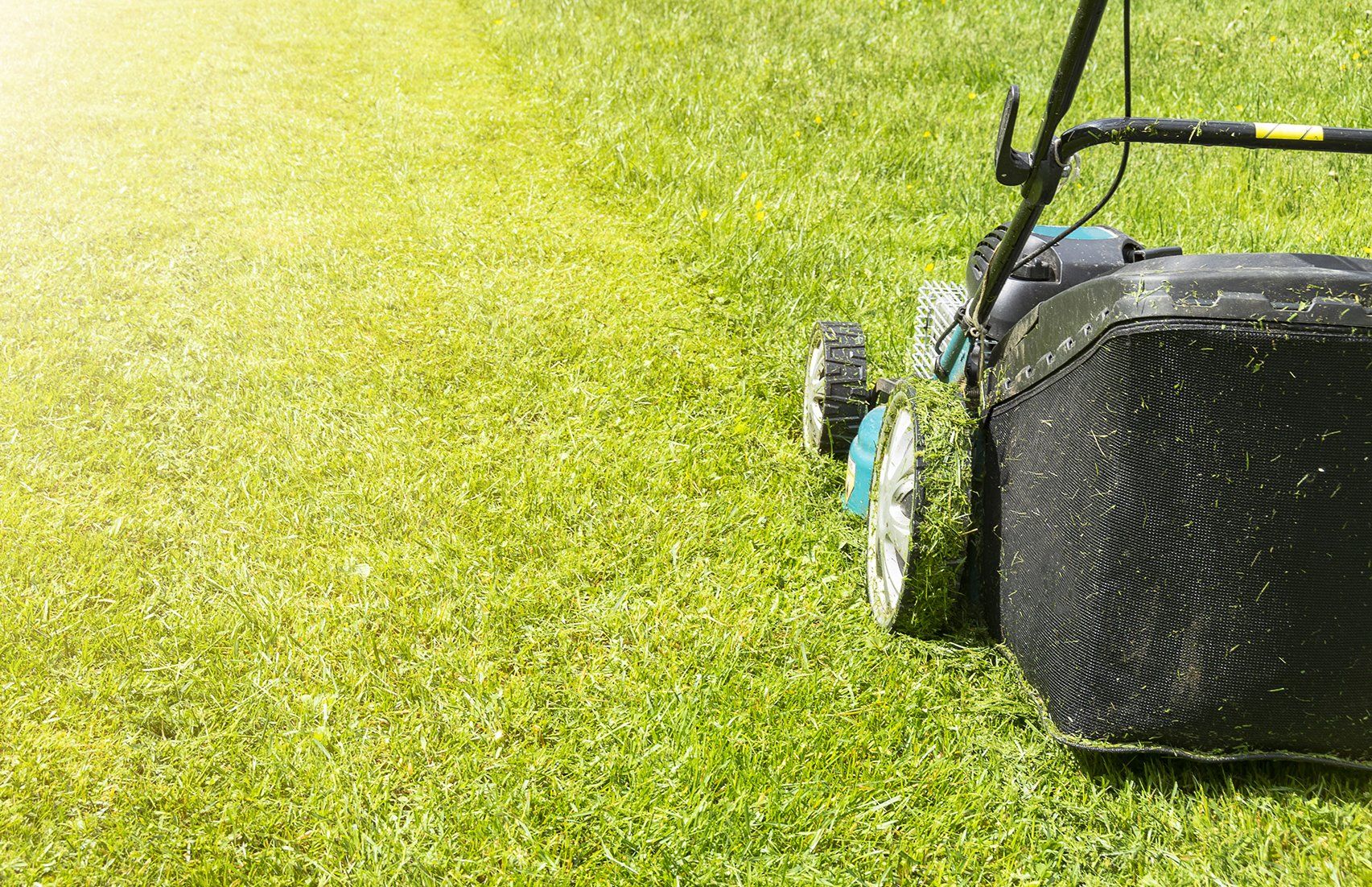
These are one problem, not three. A thick, well fed lawn crowds out most weeds without any further help. Where weeds have already taken hold we can treat them alongside the feeding program, and where moss dominates the answer usually involves dealing with the shade, the drainage, or the soil rather than just scraping it off and hoping.
Areas we serve
We are based in Renton and cover the surrounding area, including Bellevue, Newcastle, Seattle, and Kent.
Straightforward about what it will do
A lawn that has been struggling for years does not transform in two weeks. What you should expect is steady improvement across a season, thicker growth, better color, and less open ground for moss and weeds to occupy. We would rather tell you that at the start than have you expecting a different lawn by next month.
Licensed and insured, with a free estimate on every job.
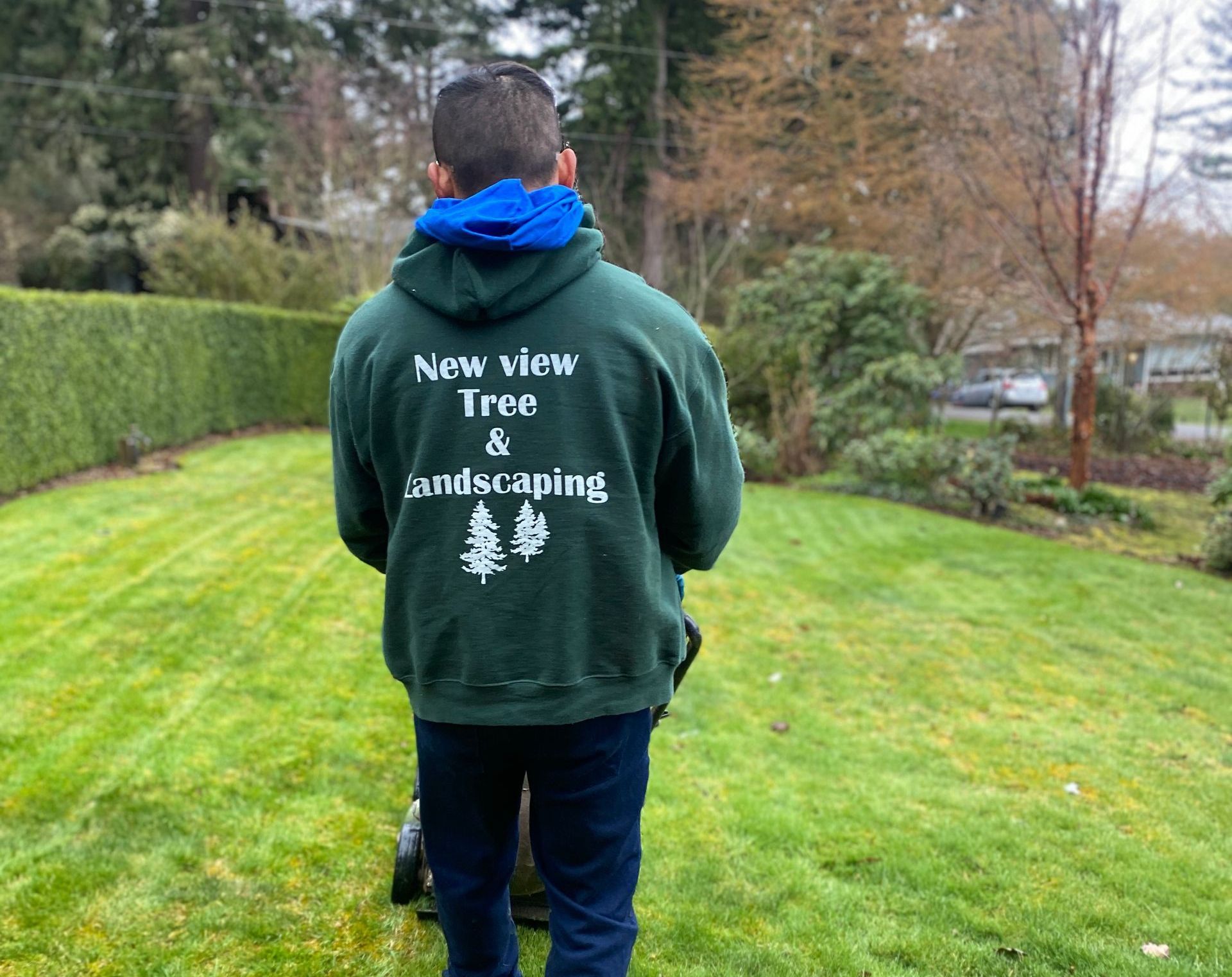
Licensed and insured, with a 5.0 rating on Google and free estimates on every job.
We also handle lawn mowing, sod installation, yard cleanup, tree removal, and stump grinding across the same service area.
Frequently Asked Questions
How often should a lawn be fed?
Several times across the year rather than once, because a single spring application has washed well past the root zone long before the season ends. Spring, through the growing season, and again in fall. That last one is the feed almost everybody skips.
Will fertilizing get rid of my moss?
It helps. Thicker grass leaves moss far less room to establish itself in the first place. If shade, drainage, or soil acidity is the underlying cause, that needs addressing too, and we will say so.
Is it safe around pets and children?
Tell us if you have pets or young children and we will factor it into what we use and advise you how long to stay off the grass afterwards.
Can you handle mowing as well?
Yes. Regular mowing and seasonal feeding work well together, and the same visit covers both.
When is the best time to start?
Most points in the year are workable, and fall is a particularly good moment because the feed goes into roots ahead of winter.
Want a thicker, healthier lawn?
Call New View Tree & Landscaping at (425) 525-8038 or request your free estimate.